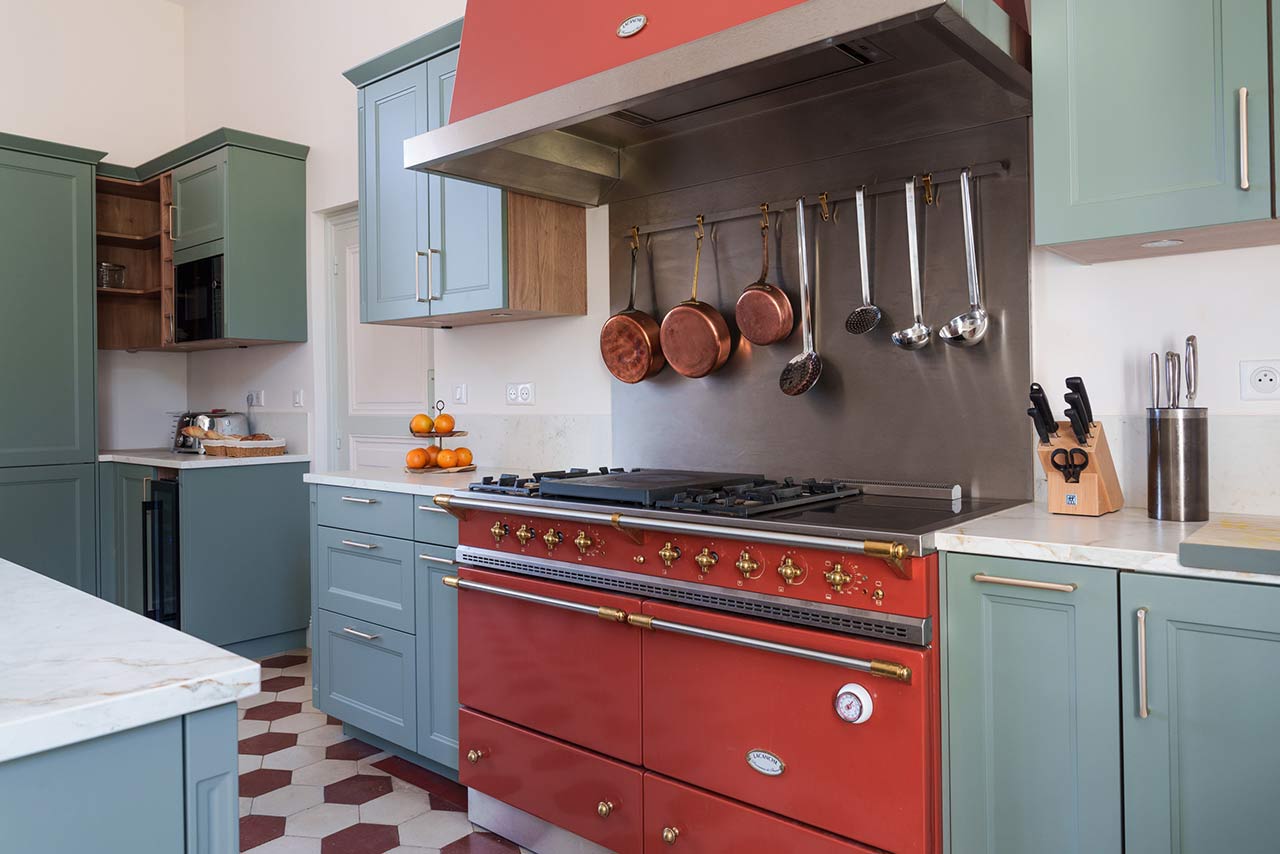
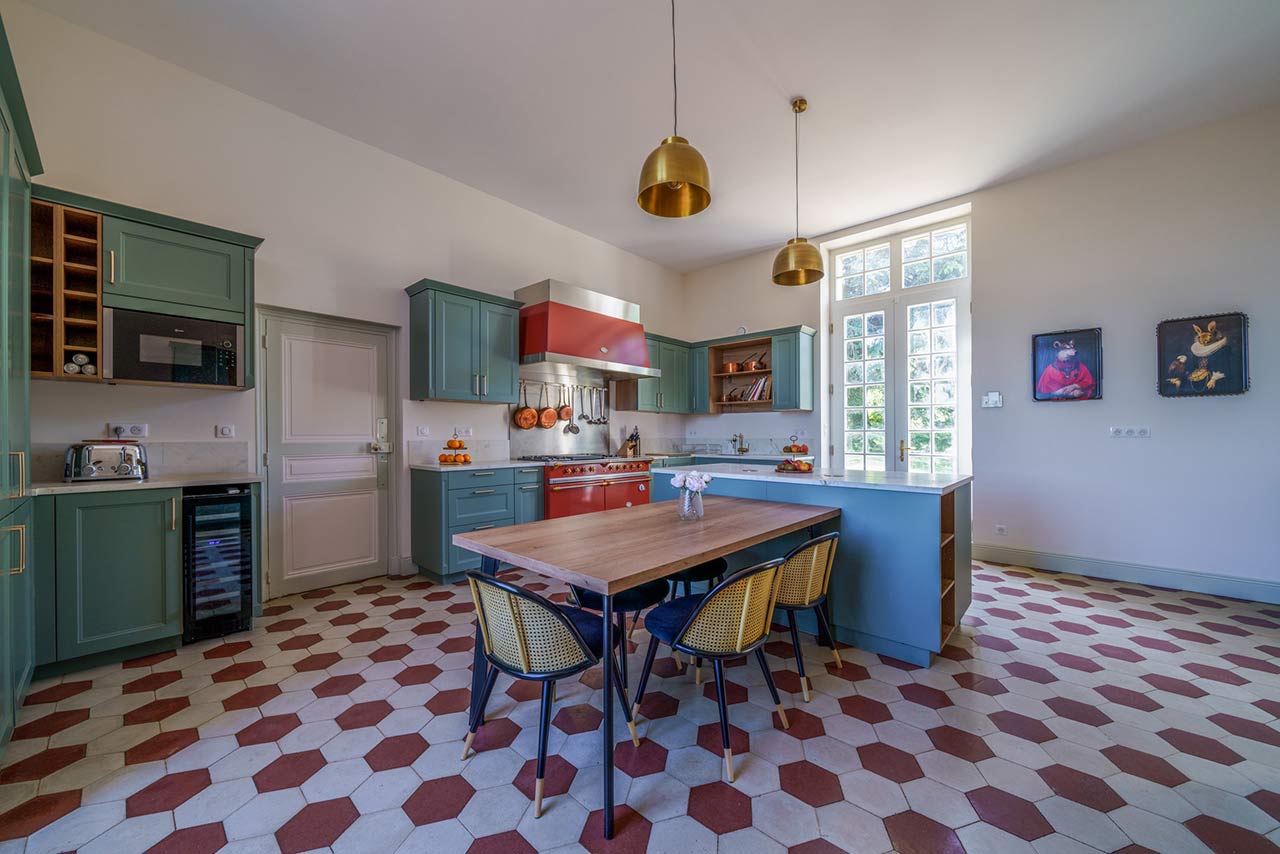
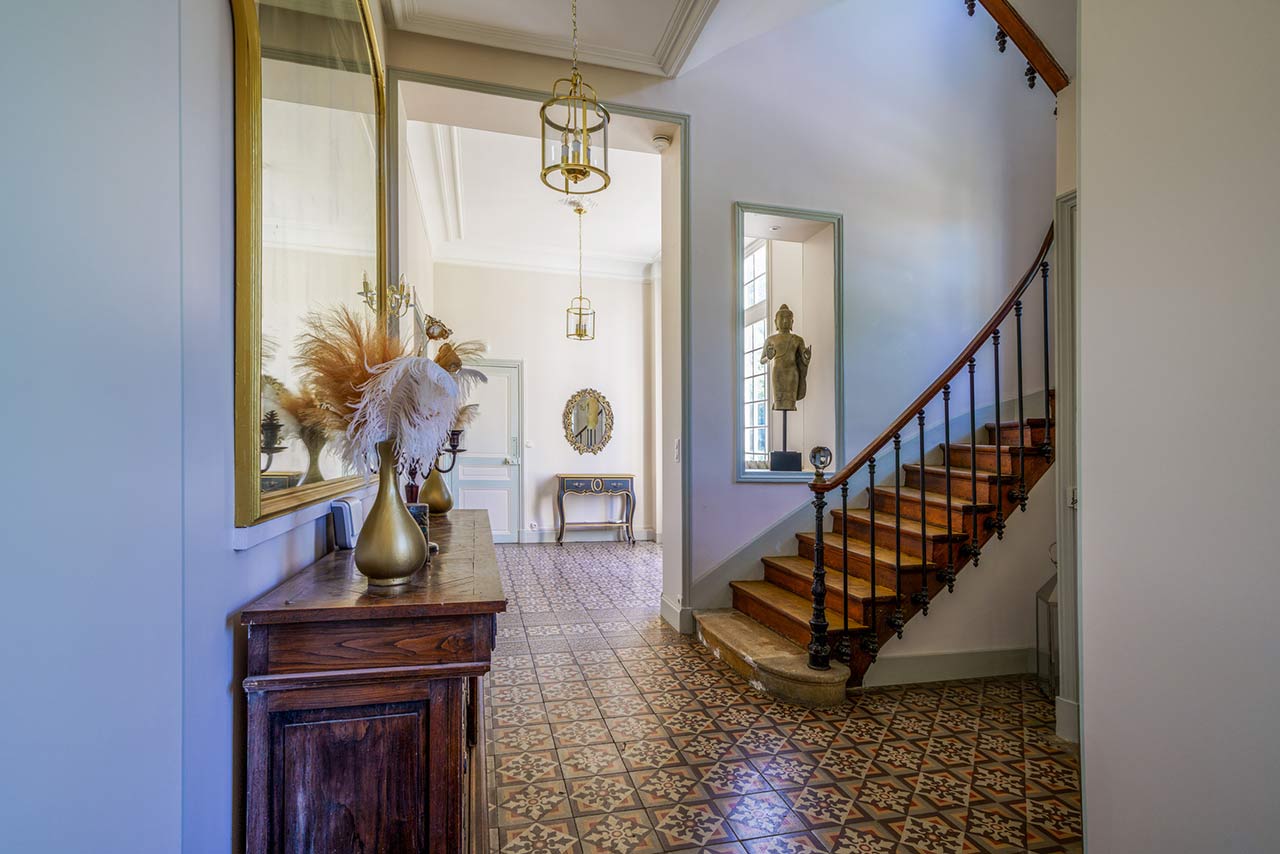
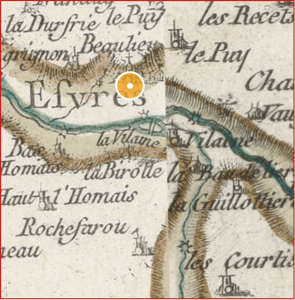
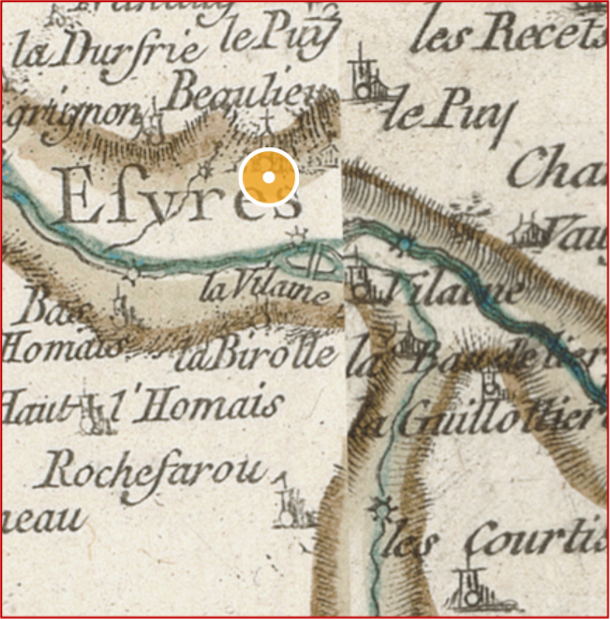
Nestled in Esvres-sur-Indre, in the heart of Touraine, La Villaine today embodies elegance and the French art of living. Behind its harmonious 19th-century architecture, however, lies a rich history dating back nearly eight centuries.
The estate is first mentioned in 1247, when a knight named Pierre de Villaine owned land and vineyards here. At that time, the property was a small fiefdom under the powerful Château de Thais, then the dominant lord of the region. Around 1400, La Villaine was donated to the Chapter of Saint-Gatien Cathedral in Tours, which remained its owner for nearly four centuries. The estate then functioned as a major agricultural and wine-growing operation, reflecting the rural prosperity of the Touraine region.
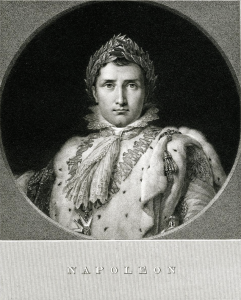
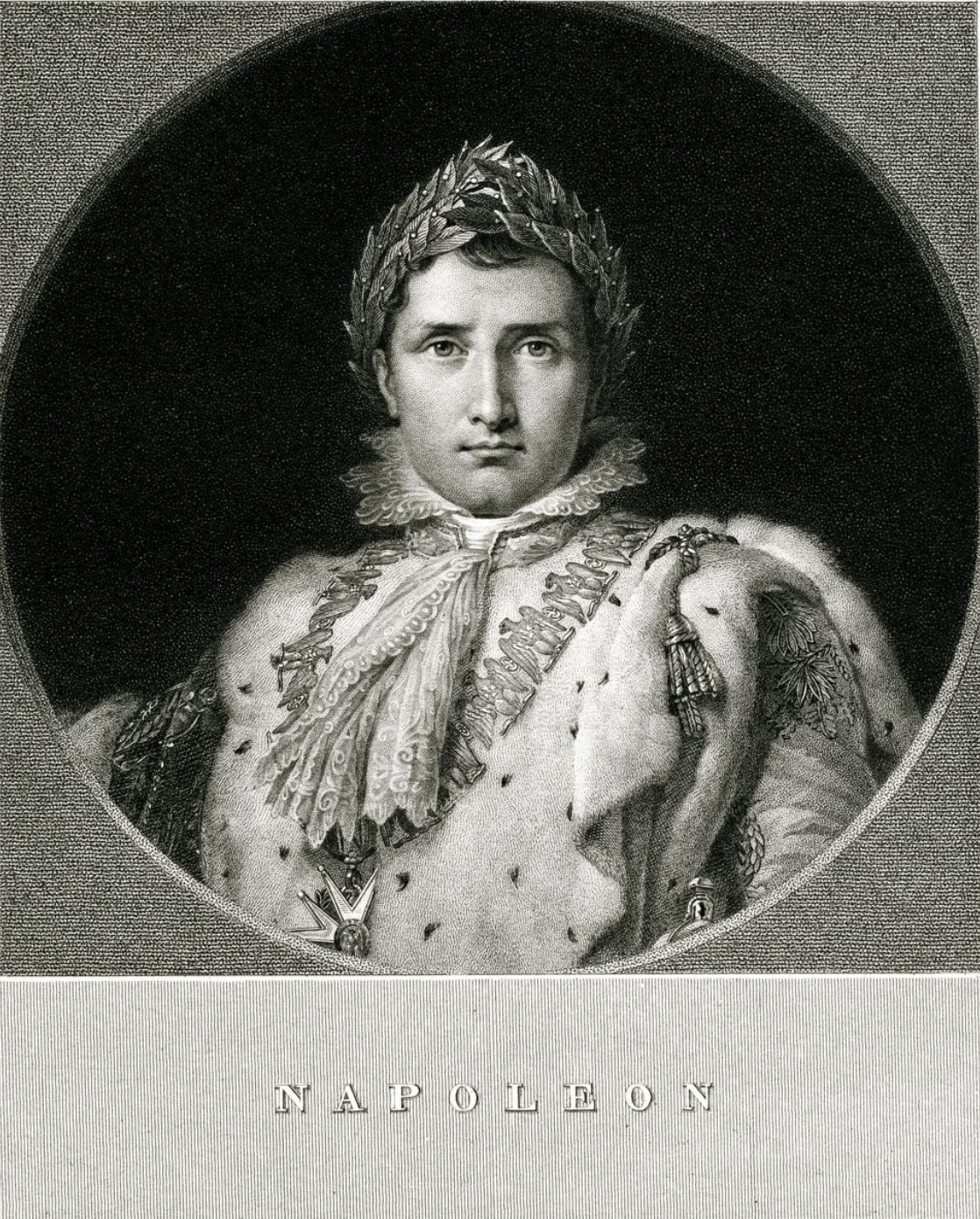
The French Revolution marked a decisive turning point: the estate was nationalized and sold as national property, and was briefly linked to Pierre Roger-Ducos, a major political figure in the Directory and a consul alongside Napoleon Bonaparte following the coup d’état of 18 Brumaire.
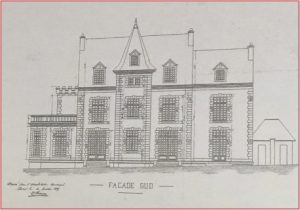
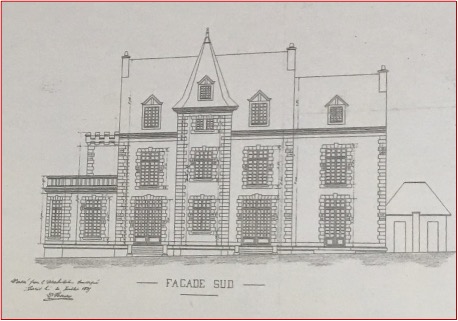
In the early 19th century, the Arrault family, long-time tenants, finally acquired the estate. Eager to modernize the property, François-Édouard Arrault had the château rebuilt in 1886, entrusting the project to the Parisian architect Amédée Hardy, who was notably responsible for several structures at the 1878 World’s Fair. The current château is the direct heir to this ambitious transformation.
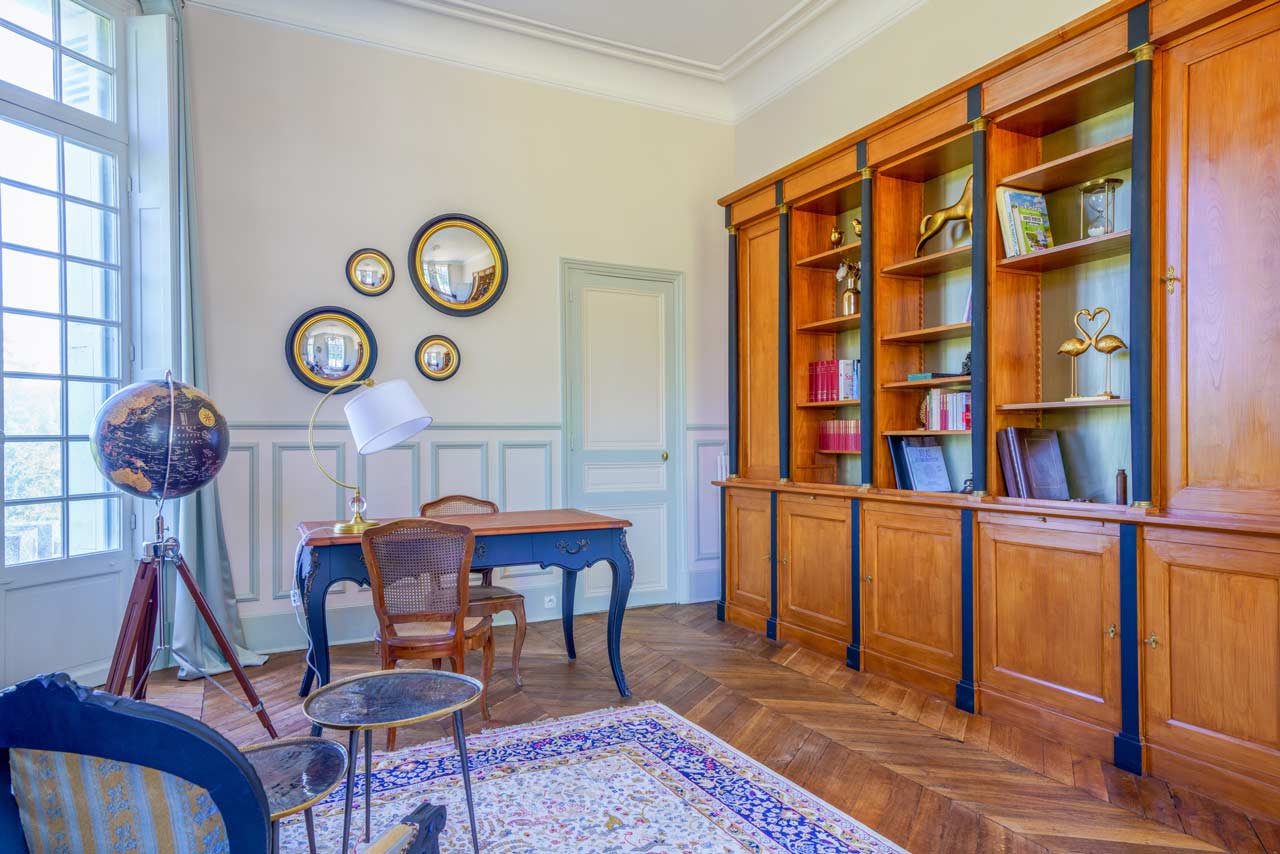
Over time, La Villaine has weathered the ages and events, notably hosting soldiers during World War II. Today, it continues its legacy by offering guests an exceptional setting where historical heritage, architectural elegance, and the gentle way of life in Tours come together.